Data centres and democratic decline could lead to more water conflict in the future
Transboundary waters — rivers, lakes and aquifers residing in more than one country — are facing challenges due to climate change, with conflicts over these waters increasing.
Last week’s Canada’s Changing Climate Report is a call for faster action to reduce greenhouse gas emissions and shift the economy to clean electricity, analysts say, after the government reported that average warming will reach 3.5° to 5°C by 2100 across Canada and more than 10°C in the Arctic.
Bek MacIntosh helped rally her Alberta town to kill a megaproject. The wider fight, she vows, is ‘just getting started.’
The first thing that Bek MacIntosh, a 42-year-old business owner and mother of three, wants Albertans to know is this: it is possible for a community to stop a $10-billion hyperscale data centre dead in its tracks.
Even when the local and provincial governments have different plans.
A Pembina Institute study found the megaproject will increase electricity costs for other users.
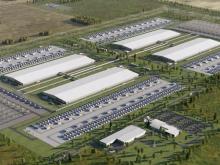
Oddly, Alberta media seem to have had very little to say about the new analysis by the Pembina Institute that the $13-billion artificial intelligence data centre planned by Meta Platforms Inc. in Sturgeon County could add from $270 to $460 a year to Albertans’ electricity bills once the hyperscale installation has powered up.
West Coast Pipeline Won’t Recoup Its $43.7B Cost as Global Oil Demand Weakens
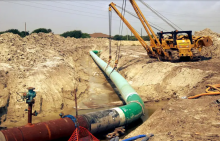
There’s no likely need for Alberta’s proposed West Coast Pipeline, as the rise of electric vehicles and a faster global energy transition drive down future oil demand and prices at a faster rate than industry and governments may have expected, the Institute for Energy Economics and Financial Analysis (IEEFA) concludes in an analysis released this morning.
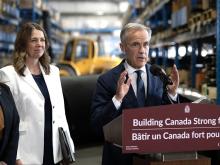
It has been heartening to witness the degree of national unity as Canadians steel themselves for the current trade war and insist that our governments stand up to Trump. According to many reports, Canada was dangerously close to signing a terrible deal with yet more concessions. But thankfully, at the 11th hour, the US demanded too much and Prime Minister Carney pulled the plug. The federal government has now announced counter-tariffs that will kick in after Labour Day, along with initial supports for affected workers and businesses.
Mark Carney wants to make Canada more like Norway. He has some work to do
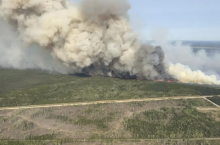
It’s back. As dangerous wildfire smoke blanketed much of the northeast part of our continent, the conversation about our new climate change-driven normal returned with a depressingly predictable vengeance. So too did the loopy comments from Republican politicians in the United States, reflecting a fundamental misunderstanding of both climate science and geographic realities.