What's turning northern forests into tinder? Biggest reason is climate change, but that’s not all
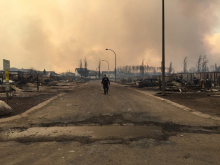
A sudden shift in the wind at a critical time of day was all it took to send a wildfire out of control through Fort McMurray, forcing more than 80,000 people out of their homes in what has become the biggest natural disaster in Canadian history.
Earlier this week, Darby Allen, the regional fire chief for the area, minced no words when he was asked what might happen now that more than 1,600 homes have been destroyed.
Crystal Lameman is a member of the Beaver Lake Cree Nation, a single mother of two, and the treaty co-ordinator and communications manager for Intergovernmental Affairs and Industry Relations in the Beaver Lake Cree Nation.
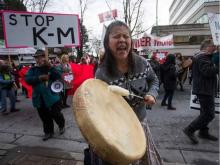
I was one of the first to sign the Leap Manifesto, and I helped write it.
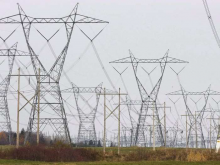
Recent proposals to use B.C. hydropower as a substitute for coal power in Alberta should be viewed in light of new research showing that in the long-term, B.C. has little energy to spare, and that any substitute power would in fact be originating from the United States.
[Website editor: Alberta could 'potentially reduce the greenhouse gas emissions of oilsands operations by 13 to 16 per cent' by using hydroelectric power. Why trash just one region when we can trash two in order to trash the world's climate even more?]
VICTORIA — The B.C. Liberals have lately promoted building a new electrical transmission link to Alberta as a way to sell green power to a neighbour while attracting federal infrastructure dollars for job creation.
April 13, 2016 - When Rachel Notley's NDP came to power last spring in Alberta, Gordon Laxer's book, After the Sands: Energy and Ecological Security for Canadians, on ecological renewal and Canadian petro-politics was already at the publisher. And so, he was given a week to do some major rewriting because he had not foreseen this political earthquake in the making.
That silly Leap Manifesto -- giving itself away right in the subtitle, which calls for "a Canada based on caring for the Earth and one another." No wonder it provoked fury and outrage.