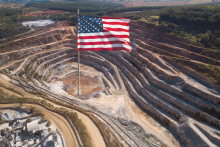
The Bloom Lake iron mine is expanding. The Quebec mine, which started in 2018, has plans to more than double annual production next year. The estimated 572 million cubic metres (more than nine million shipping containers) of tailings waste created by this mine will end up in eight lakes and 37 rivers, where it will remain forever.
Using plants to pull metal out of soil could help curb environmental destruction and human rights abuses.
Alpine pennycress is a charming little plant. Its low-growing rosette of green leaves is topped by leggy stalks bearing clusters of pinkish-white flowers. As they develop, these flowers transform into beautiful flattened seed pods that, in the words of botanist Liz Rylott from the United Kingdom’s University of York, “resemble a British old penny.”
This struggle, developing cooperation into coalition, is an example of the absolutely necessary UNITY that must be built among those fighting for a society that combines democratic working-class power with ecological sanity. ONLY that alliance has a chance of creating a future for our children.
Author and analyst Seth Klein joins Desmond Cole to break down how Carney and Smith have fulfilled Big Oil’s entire wish list
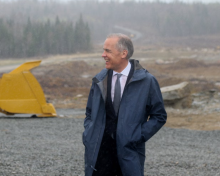
Mark Carney’s deal with Alberta’s Danielle Smith is the climate sell-out of the century.
Author and analyst Seth Klein joins Desmond Cole to break down everything it contains—from pipelines, to AI data centres, to dirty electricity, to a rollback of almost every Trudeau-era climate policy.
The world’s axis of rotation has shifted. America is no longer able to provide leadership in global discourse and guidance. US President Donald Trump has effectively sidelined America. China’s hard-earned, multi-decade focus on economic success and global acquisition of resources and critical minerals has accelerated its geopolitical ascendance.
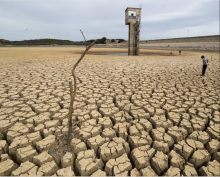
The global climate emergency is no longer a distant warning – it is an unfolding catastrophe. Longer heatwaves, recurring cyclones, changing rainfall patterns, and rising sea levels are already reshaping lives across South Asia. A UN report notes that over the past 50 years, 130,000 lives in India have been lost due to extreme weather events. Between 2001 and 2019 alone, it is estimated that more than 20,000 people died from heatwaves – though the real figure is likely much higher.