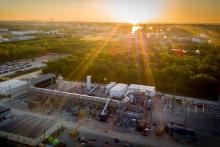
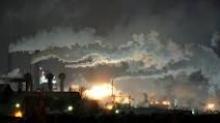
Three of humanity's greatest crises are caused by fossil fuel pollution: climate chaos, ocean acidification and the deadly smog choking cities worldwide.
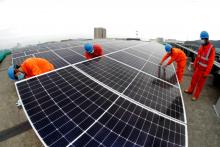
Interesting back-and-forth in this article about energy-transition predictions. Aside from that, though, it still seems overly optimistic ("hyperdrive?") from the viewpoints of still-growing fossil fuel use and of limitations on raw materials for various kinds of green alternatives.
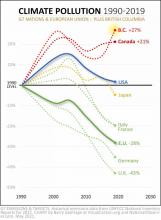
Canada has had the worst record among the G7 countries for reducing emissions of greenhouse gases since 2015, the year the Liberals took office, the federal environment commissioner says.
Commissioner Jerry DeMarco released a report on Thursday in which he also said that policies such as buying an oil pipeline and a pandemic relief plan for the oil and gas industry run counter to the government’s climate goals.
“Push a complex system too far, and it will not come back.” — Joe Norman, founder and chief scientist at Applied Complexity Science
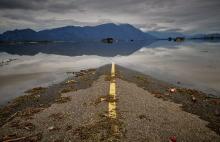
Last week, Mother Nature taught British Columbia another ugly lesson about the consequences of blah, blah, blah on climate change, unchecked energy use and globalization.
But denial is our society’s most politically powerful drug after fentanyl and Netflix.
Preface. Several papers are summarized below. The most important is by Sekera and Lichtenberger (2020). This is the most complete, up-to-date review of where carbon capture stands today. They show that the two most popular carbon dioxide removal methods likely to be funded, with taxpayer money, generate more CO2 than they capture. No private investor would spend a penny on this.



![A homemade sign posted on a telephone pole in protest of Central Maine Power's controversial ... [+] ASSOCIATED PRESS](https://ecosocialistsvancouver.org/sites/default/files/styles/medium/public/article-image/https_specials-images.forbesimg.com_imageserve_618521d554f978c2c5f276a1_transmission-lines-are-controversial-everywhere-in-the-country_960x0_1.jpg?itok=3o9hO5bj)