


A report today from Stand.earth shows the industry’s water use increased 50 per cent in 2024.
s drought in British Columbia’s Peace River region leads to massive wildfires and the City of Dawson Creek scrambles to find a new water source, a report released today concludes that water use by the region’s fracking industry shot up a record 50 per cent last year.
Chart Source: Author’s own illustration, based on long-term OECD analysis.
Sept. 30, 2025
Within a historically short period, capitalist society has generated enormous wealth but also caused profound ecological degradation and threats to survival. Yet the capitalist market economy is incapable of resolving the problems it has created or of securing a liveable environment.
Parched, the city has proposed piping water in. And selling it to the very industry some say caused the problem.
After three years of drought, the City of Dawson Creek has reached a dangerous tipping point as the Kiskatinaw River, its only drinking water source, falls to levels never before seen.
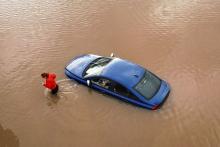
About a year ago, a wildfire in Jasper prompted a mass exodus from the town. More than 25,000 residents evacuated from their alpine home before a third of its buildings burned. It’s a stark example of the reality most municipalities are grappling with across Canada — that more floods, fires and smoke are here, exacerbated by emissions they have little local control over.
Two legal challenges filed in British Columbia claim a liquefied natural gas pipeline hasn't been "substantially started," contrary to a decision made by the provincial government back in June.
Petitions filed in B.C. Supreme Court last week allege the Prince Rupert Gas Transmission natural gas pipeline project has been given the green-light by the B.C. Environment Ministry to go ahead without requiring a new environmental assessment certificate, which was first granted in 2014.
B.C. environment and energy ministers just gave the green light to Ksi Lisims, a project capable of producing almost as much as LNG Canada’s first phase. Concerns remain about the environmental impacts of the project
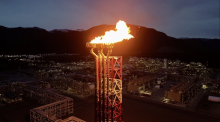
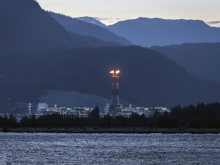
The B.C. government has just approved the Ksi Lisims liquefied natural gas (LNG) export facility, which will produce up to 12 million tonnes of LNG annually by 2028.