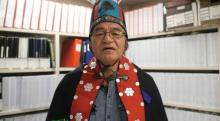
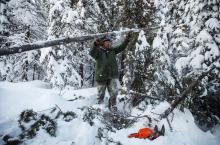
Wet’suwet’en Hereditary Chief Na’Moks said letters to the federal and provincial governments requesting meetings “on a nation-to-nation basis” had received no response.
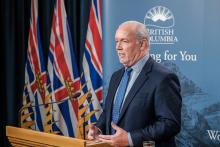
Premier John Horgan has no plans to meet with Wet’suwet’en hereditary chiefs fighting a gas pipeline during a northern B.C. tour this week.
First Nations expected a new era; instead the government has embraced colonialism and ignored UNDRIP law.
It’s the same old story Indigenous Peoples have heard for generations.
B.C. Premier John Horgan tells the public “the rule of law” demands the Coastal GasLink pipeline go ahead. Permits are in place, and the courts have approved construction.
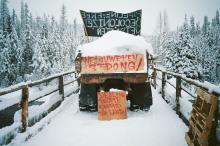
Members of the Wet’suwet’en First Nation have fought for many years to keep three pipelines from running through their land in northern B.C. At stake, the protesters say, is their way of life, their culture and their system of governance which was recognized by the Supreme Court of Canada in the landmark Delgamuukw decision in 1997.
Tensions continue to run high over the 670-kilometre Coastal GasLink pipeline project, which has been approved by the federal and B.C. governments, as well as by 20 elected First Nations councils along the route.
It's become a defining moment not only in the evolution of Indigenous rights, but in the future of B.C.'s NDP government and Canada's oil and gas industry.
"International human rights law requires governments to respect, protect, and promote the right of Indigenous peoples to make their own decisions about their lives and futures according to their own customs and traditions."
The impartiality of state institutions and international human rights obligations towards Indigenous land defenders are crucial elements in making space for peace.
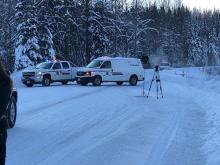
A natural gas pipeline company has posted an injunction order giving opponents 72 hours to clear the way toward its work site in northern British Columbia, although the company says its focus remains finding a peaceful resolution that avoids enforcement.
The order stamped Tuesday by the B.C. Supreme Court registry addresses members of the Wet'suwet'en Nation and supporters who say the Coastal GasLink project has no authority without consent from the five hereditary clan chiefs.
In an era of Reconciliation and UNDRIP, why must the Unist'ot'en fight so hard for what is rightfully theirs?
The Unist'ot'en currently exist at the cutting edge of Canadian-Indigenous relations. This film discusses the past and present of the events unfolding in British Columbia's north, while guiding us to seek a greater future.