In solidarity with ILWU International, there will be no work on the 8 AM shift of Friday, June 19, 2020 as we are supporting anti-racism – what this Union is founded on.
Interesting points about Ottawa's conditions for making loans under this program, including spending no-nos, environmental tie-ins, and government acquisition of equity--not the "favourable rates and conditions" (in the words of one commenter) that corporate capitalism wants, I guess. Where will Trudeau and Morneau go on this? - Gene McGuckin
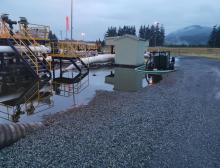
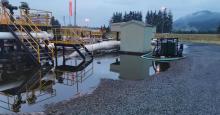
The chief of Sumas First Nation is calling for an independent investigation into the Trans Mountain pipeline, following an oil spill this past weekend near a significant burial ground for the community.
Natural Resources Minister Seamus O’Regan’s office says it is monitoring the situation closely and expects all companies to “adhere to the highest standards of safety and environmental stewardship.”
When I saw the picture of Athabasca Chipewyan First Nations Chief Allan Adam, his face half swollen, his skin bruised purple, and blood dripping down onto his collar, I was gutted.
I was already feeling unsteady from the chaos unfolding in our world. For me that chaos includes the constant adversity faced by Indigenous Peoples that I report on.
But, seeing a revered First Nations leader in this condition via the hands of law enforcement was a new and higher level of distressing.