SACRAMENTO, Calif. — British Columbia Premier Christy Clark plugged her vision for an economy fuelled by liquefied natural gas during a speech Thursday to California's senate. Clark told senators that exporting LNG, which she described as the cleanest fossil fuel, to Asia would create jobs, investment opportunities and eliminate the debt in her province. She said the LNG industry will be the biggest step B.C. has taken to reducing global greenhouse gas emissions and growing its economy responsibly.
Last week, students at two of the Lower Mainland’s largest universities took steps to see those institutions divest themselves of financial interests in the fossil-fuel industry. Now, their counterparts at the University of Victoria have followed suit.
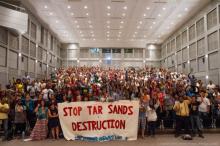
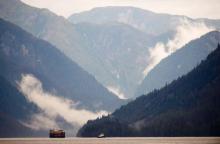
Nearly two thirds of British Columbians are opposed to the $6.5-billion Northern Gateway pipeline and the tankers it will bring to the northern coast, according to a poll commissioned by environmental groups.
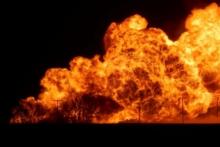
The company seeking to build the Keystone XL tar sands pipeline has had a massive explosion on its decades-old natural gas pipeline in southern Manitoba. The rupture of the TransCanada PipeLines (TCPL) gas line occurred in the middle of the night on Saturday, January 25 near the village of Otterburne. A massive fireball erupted into the night sky and burned for many hours.
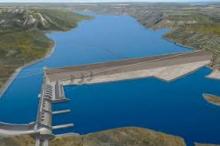
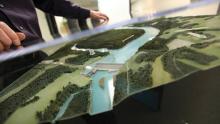
The closing remarks to a federal-provincial panel examining BC Hydro’s Site C proposal were made by a grey-haired native leader who said bands in the area are determined not to let the dam get built. Treaty 8 Tribal Chief Liz Logan told the Joint Review Panel, which wrapped up five weeks of public hearings on Friday, that Peace River native communities hope a treaty they signed over 100 years ago to protect their way of life will be honoured and the dam, which would flood more than 5,000 hectares in the valley, will not be allowed.
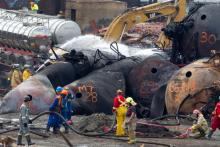
Shipments of crude oil by rail are steaming forward in B.C. even as investigators said Thursday the federal government has failed to eliminate "critical weaknesses" in the rail system in the six months since the deadly Lac-Mégantic train disaster. Officials from the Transportation Safety Board delivered this warning as they jointly issued "critical" safety recommendations in partnership with the United States’ National Transportation Safety Board.
The mayor of the Vancouver region municipality of Burnaby speaks out against the environmental review process of the proposed Fraser Surrey Docks coal export terminal.--website editors
Many of us think of B.C.’s forests as important carbon sinks, absorbing carbon from the atmosphere and helping mitigate climate change. However, according to new provincial data quietly released on a government website, B.C. forests are now approaching a full decade as a carbon source rather than a carbon sink.
Although British Columbia is covered by some of the most productive carbon-storing forest ecosystems on the planet, B.C. forests have been releasing more carbon than they sequester since 2003.